Portugal Cybersecurity Law & NIS2 Guide (2026)
A practical guide to Portugal’s cybersecurity framework, NIS2 obligations, incident reporting rules, and business compliance requirements in 2026.
Updated June 2026Reviewed by StaySecureHub Editorial TeamEditorial review
Quick Answer
A practical guide to Portugal’s cybersecurity framework, NIS2 obligations, incident reporting rules, and business compliance requirements in 2026. This guide explains the main benefits, risks, and practical steps readers need to stay secure online in 2026.
Quick Summary
- NIS2 introduces stricter cybersecurity obligations
- Many Portuguese businesses are now affected
- Incident reporting becomes mandatory
- Non-compliance may lead to large penalties
Portugal’s cybersecurity legal framework changed significantly with the implementation of NIS2.
The new rules introduce stricter cybersecurity requirements, mandatory incident reporting, and stronger risk management obligations for many businesses and public entities.
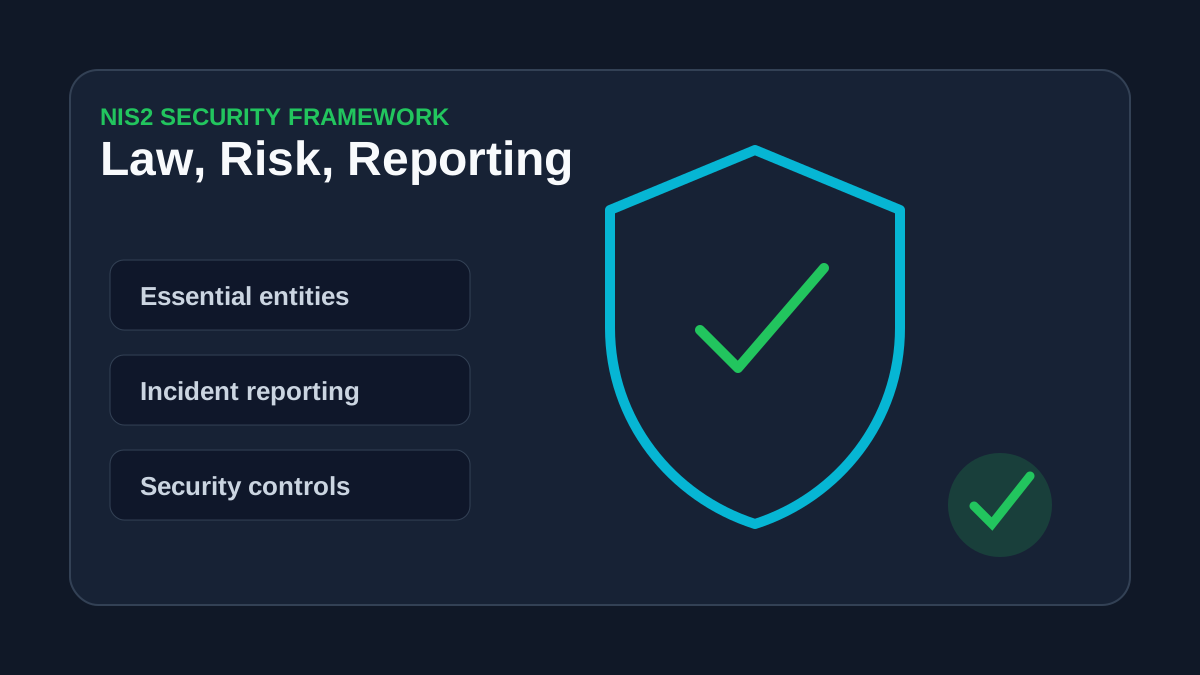
What Is NIS2?
NIS2 is the updated European cybersecurity directive designed to improve cybersecurity resilience across critical sectors.
It expands the original NIS framework and introduces:
- Stronger cybersecurity requirements
- Mandatory incident reporting
- Management accountability
- Supply chain security obligations
- Higher penalties for non-compliance
Which Organizations Are Affected?
NIS2 affects organizations operating in sectors considered important or essential.
Examples include:
- Energy companies
- Transport services
- Healthcare organizations
- Financial services
- Digital infrastructure providers
- Cloud services
- Managed IT providers
- Public administration entities
Many medium and large businesses are now included under the new framework.
Cybersecurity Risk Management Requirements
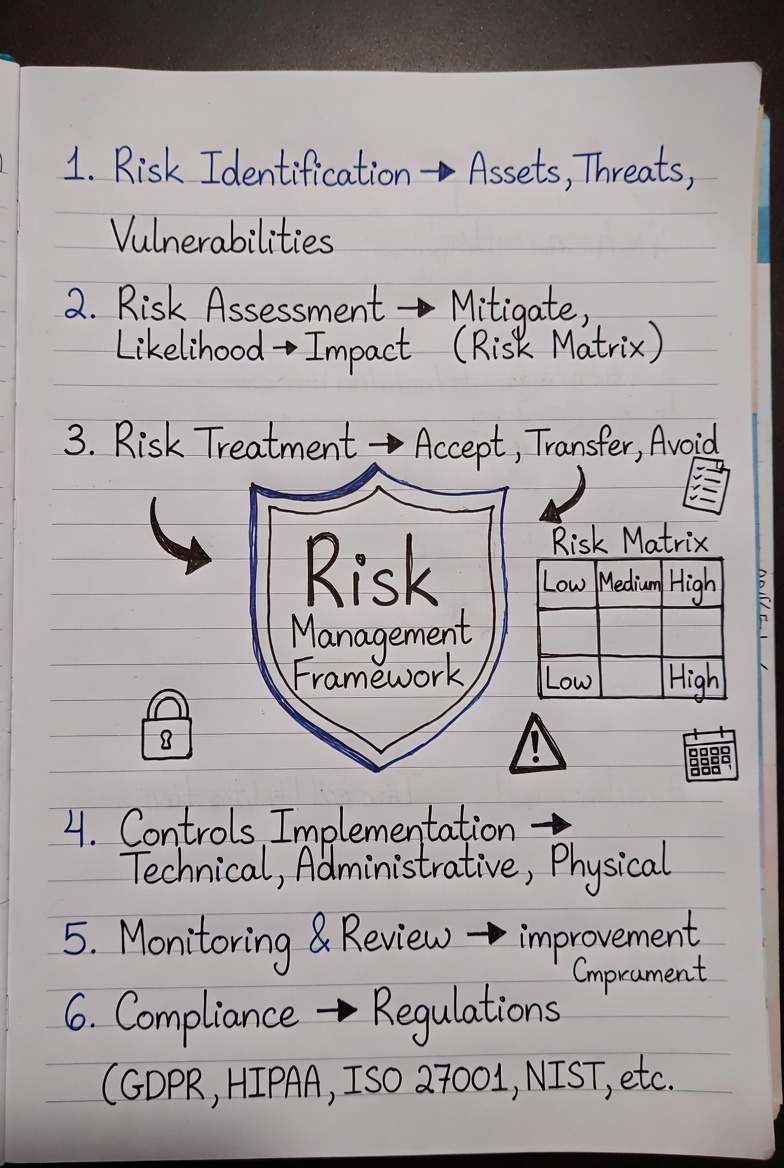
Organizations must now implement adequate cybersecurity risk management measures.
This may include:
- Access control policies
- Incident response procedures
- Multi-factor authentication
- Network monitoring
- Business continuity planning
- Employee cybersecurity training
- Supply chain security reviews
The goal is reducing operational and cybersecurity risks.
Incident Reporting Obligations
NIS2 introduces strict incident reporting requirements.
Organizations may need to report:
- Major cybersecurity incidents
- Ransomware attacks
- Service disruptions
- Critical vulnerabilities
- Data breaches affecting operations
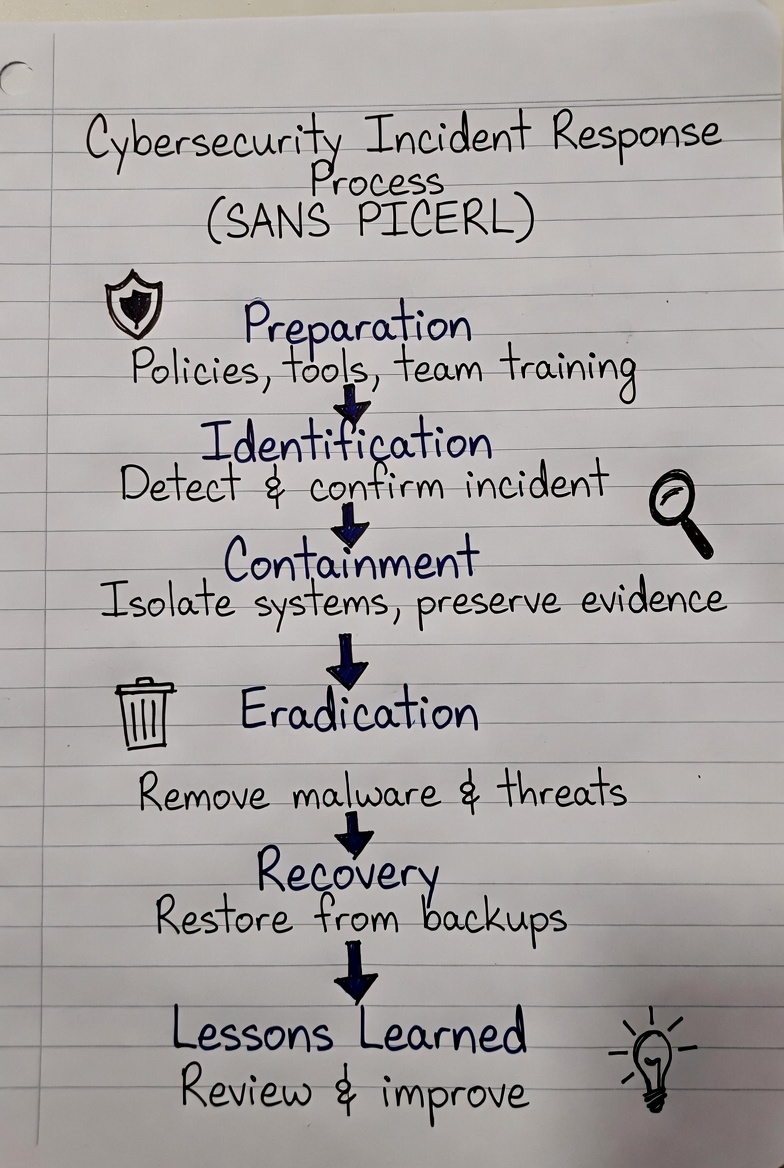
Reports must often be submitted quickly after detection.
Penalties & Enforcement
Non-compliance with NIS2 obligations may result in significant penalties.
Authorities may evaluate:
- Risk management practices
- Security controls
- Incident response readiness
- Reporting procedures
- Executive accountability
Management teams may also face increased responsibility under the new framework.
Practical Steps For Businesses
- Review cybersecurity policies
- Identify critical systems
- Implement MFA and access controls
- Train employees against phishing attacks
- Create incident response procedures
- Audit third-party suppliers
- Review backup and recovery systems
Organizations should approach NIS2 as an ongoing cybersecurity strategy — not just a legal requirement.
Why NIS2 Matters
Cyberattacks against businesses continue to increase across Europe.
Modern threats include:
- Ransomware
- Supply chain attacks
- Credential theft
- Phishing campaigns
- Cloud infrastructure attacks
NIS2 aims to improve resilience against these growing threats.
Final Verdict
Portugal’s implementation of NIS2 represents a major shift in cybersecurity obligations for businesses and public entities.
Organizations that improve cybersecurity readiness early will reduce operational risks and improve long-term resilience.
How We Evaluated This Guide
We evaluated this guide for security, privacy, usability, pricing, features, and real-world usefulness so readers can make better decisions.
Alternative Options
We also compare this topic with relevant alternatives to help you decide whether it is the best choice for your needs.
Common Security Myths
Myth
iPhones cannot get malware.
Reality
iPhones are harder to compromise than many devices, but phishing, malicious profiles, scam apps, and account takeover still affect iOS users.
Myth
Android is automatically insecure.
Reality
Modern Android can be secure when updated, locked down, and used with trusted apps from reputable sources.
What Security Experts Recommend
- Use a reputable password manager for unique passwords and secure vault storage.
- Adopt passkeys on important accounts when available, but keep recovery methods protected.
- Enable two-factor authentication, preferably with an authenticator app or security key.
- Install operating system, browser, and app updates promptly.
- Review app permissions, browser extensions, and account recovery options every few months.
Best Security Tools

Bitdefender
Malware protection and device security
9.5

NordPass
Password managers, passkeys, secure sharing
9.3

NordVPN
VPN privacy, public Wi-Fi, streaming
9.6

Incogni
Personal data removal and broker opt-outs
9.2
Frequently Asked Questions
What is Portugal Cybersecurity Law & NIS2 Guide (2026)?
Portugal Cybersecurity Law & NIS2 Guide (2026) is a practical guide that explains the main benefits, risks, and best practices for using security tool technology safely.
How does Portugal Cybersecurity Law & NIS2 Guide (2026) help protect privacy?
This guide highlights how Portugal Cybersecurity Law & NIS2 Guide (2026) reduces tracking, secures personal data, and helps you stay safe online.
Who should read this guide?
This guide is useful for beginners and experienced users who want clear advice on security, privacy, and practical online protection.
What are the main risks covered in this guide?
The guide covers common risks such as unsecured Wi-Fi, weak passwords, data leaks, and privacy exposures.
What should I do after reading this guide?
After reading, use the recommended steps and tools to improve your online privacy, strengthen passwords, and secure your devices.